Moving into an older Tampa home? Check the tile and grout first
By Hannah Moreau · Updated 2026-07-18
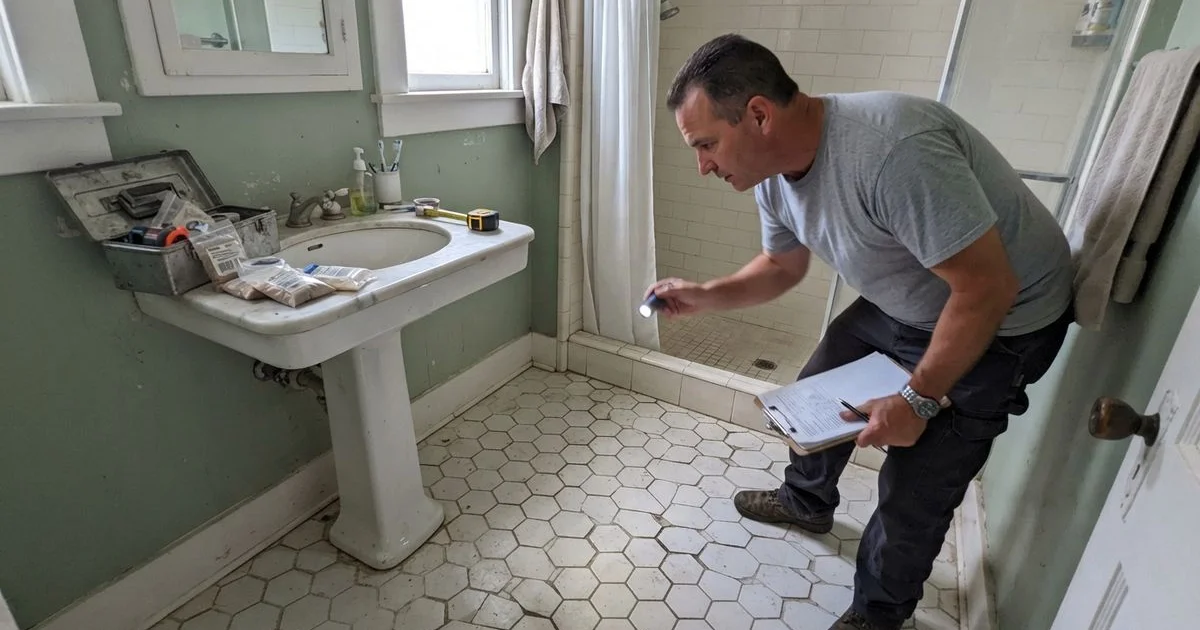
Tampa has a lot of housing stock from the 1970s through 1990s, much of it on slab foundations that have had decades to settle. If you’re moving into one of these homes, the existing tile and grout are worth a closer look than a typical walkthrough usually gives them.
Why older homes need a closer look
Slab foundations common in older Tampa neighborhoods can settle gradually over the years, which sometimes shows up as cracked tile or grout lines that have shifted, even in a home that’s otherwise well maintained. Original tile installations from decades ago also predate some of the waterproofing standards used today, meaning a shower that looks fine on the surface may not have the same protection behind the tile that a recent installation would.
None of this means an older home’s tile is automatically a problem. It just means it’s worth a specific look rather than assuming everything is fine because the house passed a general inspection.
A practical checklist for your first walkthrough
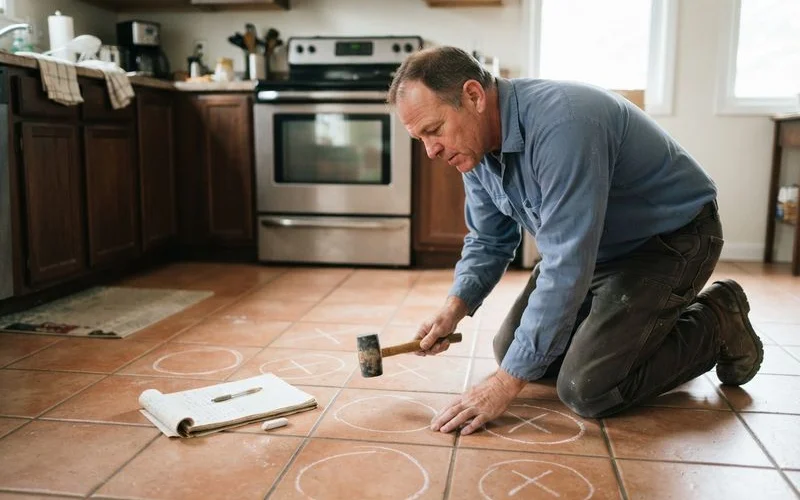
- Tap-test the tile. Gently tap several tiles in each room with a knuckle or a coin, listening for a hollow or drum-like sound compared to a solid thud. Hollow spots suggest the tile has separated from the subfloor underneath.
- Check grout condition in wet areas. Look closely at shower and tub surrounds for cracked, missing, or discolored grout, which tends to fail before the tile itself does.
- Look for any noticeable slope or unevenness in tile floors. Minor settling shows up as tile that isn’t quite level room to room, which is worth noting even if it’s not an urgent problem.
- Smell for mustiness in bathrooms. A persistent musty smell that isn’t explained by recent cleaning can indicate moisture behind tile that isn’t visible on the surface.
- Ask for any remodeling history. If a previous owner retiled a bathroom or kitchen, ask whether permits were pulled, since that’s a reasonable indicator of whether the work followed current standards.
What to prioritize versus what can wait
| Finding | Priority |
|---|---|
| Musty smell or visible mold near a shower | Address soon |
| Cracked grout in a wet area | Address within a few months |
| A few hollow-sounding tiles, no visible damage | Monitor, not urgent |
| Cosmetic wear with no structural signs | Can wait indefinitely |
Kitchens and floors deserve the same look as bathrooms
It’s easy to focus a walkthrough entirely on bathrooms since that’s where water damage shows up most dramatically, but kitchen backsplashes and whole-home tile floors are worth the same scrutiny in an older home. A backsplash behind a sink that’s never been resealed can hide the same kind of moisture issues a shower does, just on a smaller scale, and tile floors that have been walked on for decades sometimes have hollow spots from wear alone, not just settling. Give every tiled surface in the home a quick pass, not just the rooms that seem most likely to have problems.
Getting a professional opinion before committing to a fix
If your walkthrough turns up a few concerning signs, a focused assessment from a local tile repair specialist is a reasonable next step before assuming the worst. They can often test moisture levels and check subfloor condition more thoroughly than a general home inspection covers, and tell you whether you’re looking at a simple regrout or something more involved.
Buying an older home doesn’t mean assuming every tiled surface needs replacing. It just means giving the tile and grout the same kind of attention you’d give the roof or the HVAC system, since problems here tend to be gradual and easy to miss until they’ve grown. Once anything urgent is handled, our guide on seasonal tile and grout maintenance for Tampa’s climate covers the ongoing care that keeps it from getting to this point again.
For more on how contractors on this site are scored, see our methodology. Visit the homepage to browse tile contractors across every category we track.
FAQ
- What's the first thing to check in an older home's tile?
- Tap a sample of tiles across each room, listening for a hollow sound that suggests the tile has separated from the subfloor. Also check grout condition in wet areas like bathrooms, since that tends to fail before the tile itself does.
- Should a home inspection catch tile and grout problems?
- A general inspection often flags obvious issues like visible cracks or water stains, but it's not usually a deep evaluation of tile bonding or waterproofing condition behind the walls. If you have specific concerns, a tile contractor can do a more focused assessment.
- Is cracked tile in an older home always a subfloor problem?
- Not always, but it's common enough to check. Slab settling over decades is a frequent cause of cracked tile in older Tampa homes, though poor original installation or age-related wear can also be the cause.
- How soon after moving in should I address tile issues?
- Cosmetic issues can wait. Anything suggesting active water intrusion, like soft grout, a musty smell, or discoloration around a shower, is worth addressing sooner rather than later, since moisture problems tend to get more expensive the longer they sit.